


How Many Days a Week Should High School Distance Runners Run?
Most high school distance runners run 5–6 days per week—but the right number depends on the athlete. Here's how I approach training frequency, rest days, beginners, multisport athletes, and struggling runners.

Stop Trying to Fix Every Bad Race
One bad race doesn't automatically mean something is wrong with the training.
Sometimes the athlete just has a bad day. The mistake coaches make is immediately trying to fix everything—more mileage, harder workouts, more speed, more recovery, or a completely different training plan.
Instead, look for patterns.
A single poor race isn't a diagnosis. But repeated poor performances are worth investigating.
And don't forget the emotional side of racing. Athletes are allowed to be disappointed. I give my athletes 20 minutes to sulk after a bad race. Then it's time to move forward. We evaluate what happened, learn what we can, make an adjustment if necessary, and start thinking about the next race.
Great coaches don't prevent their athletes from having bad races. Great coaches teach their athletes how to respond when they do.

Why Most Adult Runners Train Too Hard (And How to Fix It)
Most adult runners don't need more hard workouts—they need more consistency. Learn how easy days help you run faster and stay healthy.
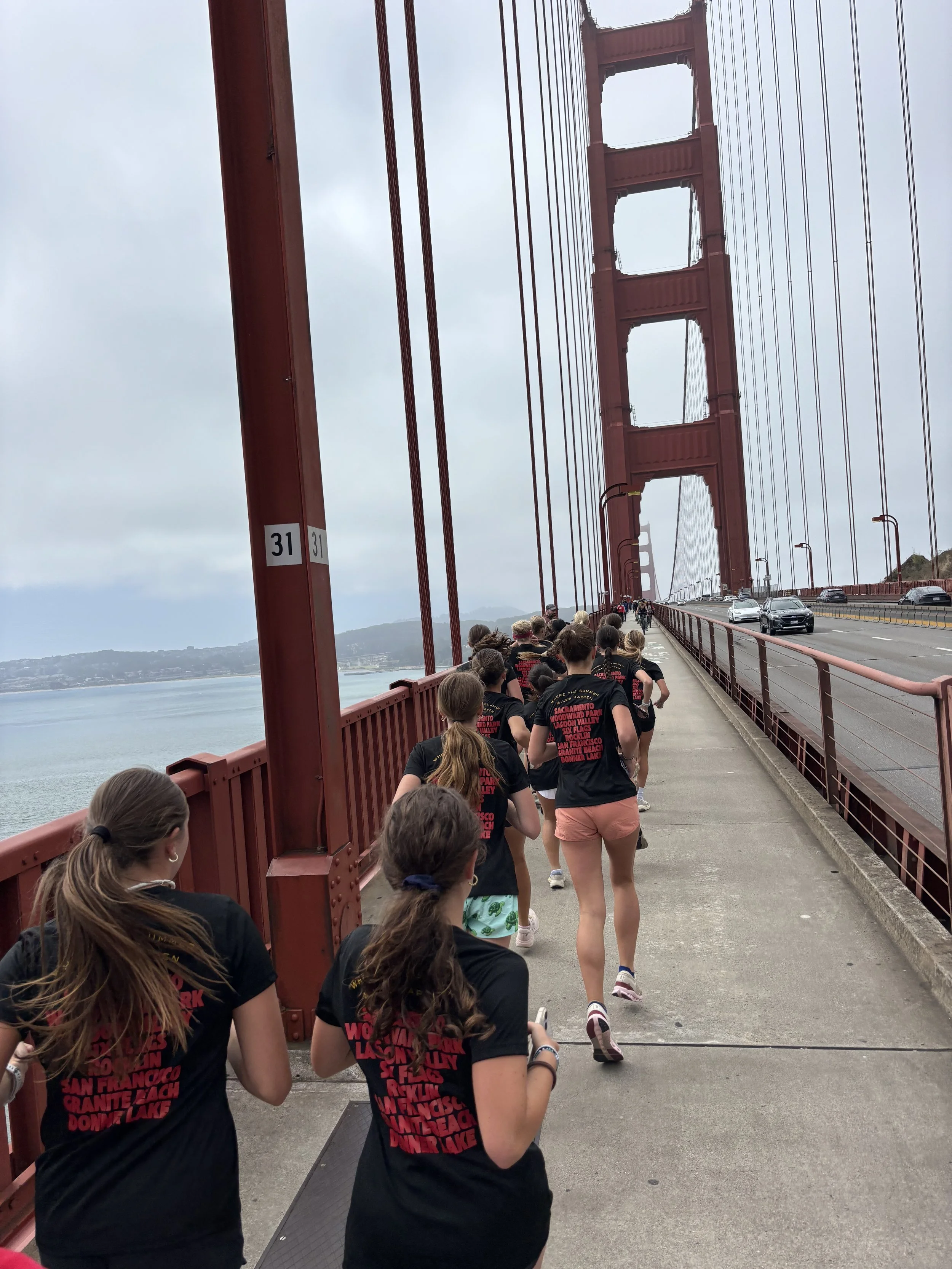
What Should High School Distance Runners Do on Easy Days?
Easy days aren't wasted training. Here's how I use easy runs to build aerobic fitness, promote recovery, manage weekly mileage, and prepare high school distance runners for their next hard effort.

How Many Miles Should High School Distance Runners Run?
There is no magic mileage number for high school distance runners. Here’s how I approach mileage progression based on training age, experience, consistency, and long-term development.